Jet Plane and Oxbow by Shearwater

Shearwater - Jet Plane and Oxbow

You sit within the largest spherical arena in the known galaxy, surrounded by patrons of all sizes and species. The enveloping darkness is accentuated by camera flash sparkles, and blinking colored lights that canvass every surface of the venue. The ceiling above slides open, through which endless stars can be seen. The colored lights disappear, and a roar erupts from the crowd. The stage below fills with smoke, followed by the sound of a synthesizer . . .

Bless the songs that soar, the ones that propel listeners to a higher plane of existence, where troubles are given meaning or dissipate entirely. Electronic music seems to possess a stranglehold on this breed of music, but what happened to the rock anthems? Where’s our U2, our Queen? Jet Plane and Oxbow is the newest full-length from Austin-based band Shearwater, a group that eases my mind when it comes to these questions.

Front to back, this record is filled with epic rock tunes that would ignite the most massive arenas. Frontman Jonathan Meiburg’s voice is a compelling presence, one that guides the lush instrumental compositions through shout-out-loud choruses and tender ballads alike. Glistening, starry-eyed synths give the tracks immense depth, and, similar to U2’s The Unforgettable Fire, this collection of music feels colossally significant.

Onboard this time around is Red Kross drummer and seasoned music supervisor/film composer Brian Reitzell, who’s scored Lost In Translation, NBC’s “Hannibal”, Friday Night Lights, and more. Reitzell brings his collection of percussion, keyboards, and silver-screen know-how to the party, and the music of Shearwater has never sounded this monumental. If you’re seeking soaring, folk-tinged arena rock, this album is for you.

– stasi (@stasisphere)
Jet Plane and Oxbow by Shearwater

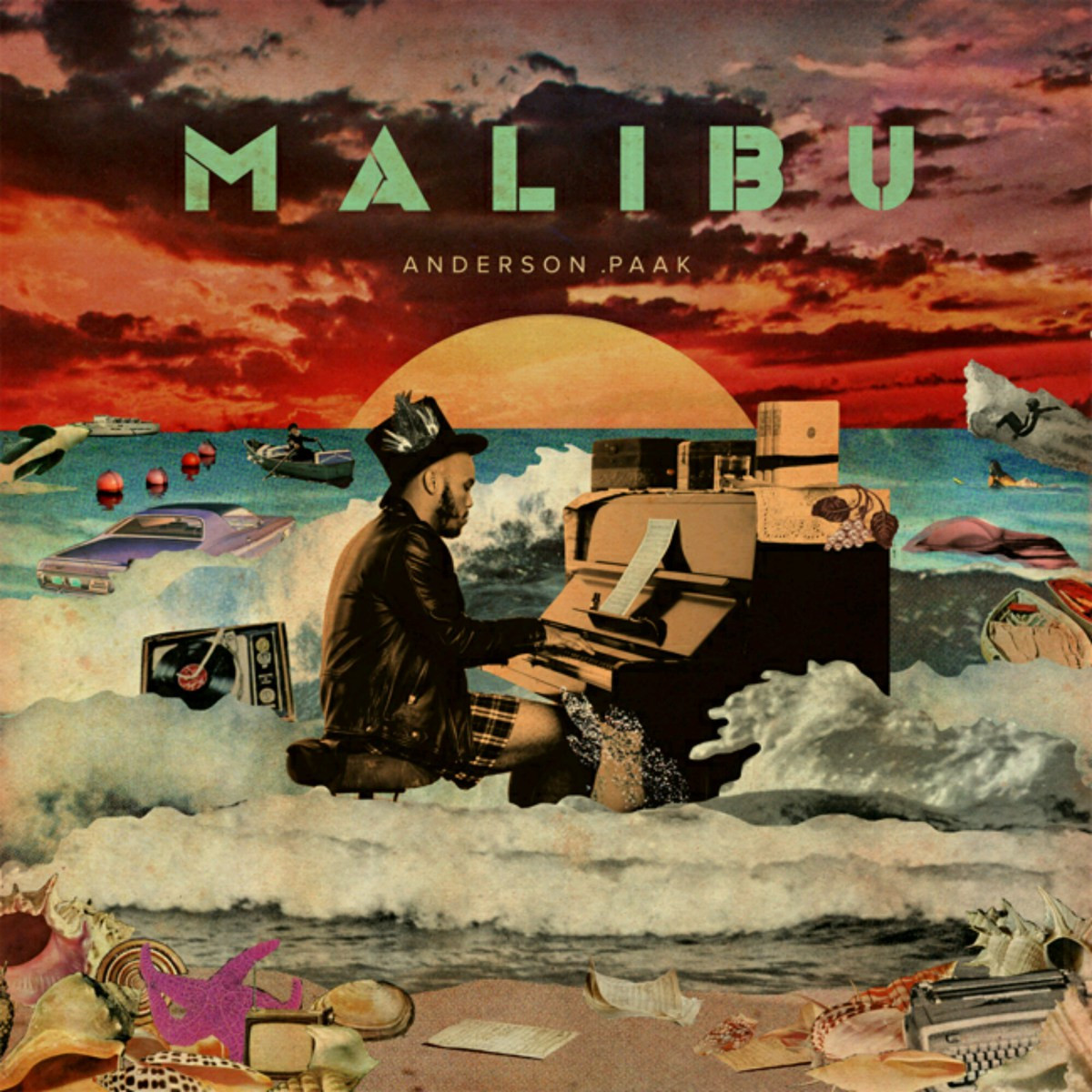
Malibu by Anderson .Paak

Anderson Paak - Malibu

You step through a door into a warm, smoky lounge. The lights slowly dim, and faintly illuminate the faces of lovers staring deeply into eyes from across white cloth-clad tables. You find an open stool at the bar, order your usual, and turn to face the stage across the room. Spotlights hit the curtain as it raises, revealing a large band. The guitarist and drummer initiate a subtle groove as the frontman, suave as can be, strides toward the mic . . .

At its heart, hip-hop is communal. It was born from the collective mindset of those oppressed, deemed “unfit” by society, as a result of various circumstances; that’s why the genre works best when multiple perspectives are considered and implemented. Malibu is the newest full-length from singer/rapper/producer Anderson .Paak. The artist, previously featured on Dr. Dre’s Compton, has created a masterpiece.

It’d be a more plausible feat to list what bases .Paak doesn’t cover on this record. The spirit of hip-hop burns brightly in the core of these compositions, but the sonic stylings delve through the likes of funk, gospel, house, jazz, and many more. Schoolboy Q, Rapsody, The Game, Talib Kweli, and others are featured with wonderful results, but it’s the ringleader’s charismatic flow and soulful singing voice that steal the show.

.Paak has certainly experienced his fair share of hardship, but rather than directly communicate those experiences via aggression, he contorts it into a plethora of vibrant colors that he paints into something beautiful and new. Kendrick Lamar’s To Pimp A Butterfly kicked off 2015 and set the bar high, but Malibu certainly gives it a run for its money. If you’re seeking expansive, funk/soul-tinged hi-hop, this album is for you.

– stasi (@stasisphere)

Malibu by Anderson .Paak

Moth by Chairlift

Chairlift - Moth

A split forms in the blackness that envelopes you, and blinding light enters your cramped enclosure. Your cocoon opens, and overwhelming warmth covers your body. Your eyes slowly adjust to the bright world. You unfurl your limbs and stumble to your feet. You hear a faint melody hummed in the distance, carried by the soft breeze. You follow the sound to the top of a hill. A celebratory gathering is occurring in the valley below. You run down the grassy hill . . .

The formula for pop music received a long-deserved overhaul recently. Even the most devout naysayers of the mainstream have begun to trust the output of artists in the arena, and we can thank the act of risk-taking for that. Now more than ever, producers are meshing seemingly disparate elements to create fresh songwriting. Moth is the newest full-length from Brooklyn-based band Chairlift, a duo of this prestigious caliber.

The funnest record of the year has arrived early. Caroline Polachek and Patrick Wimberly’s songs are stuffed to the brim with euphonious melodies, irresistible grooves, and compelling pop experimentation. Both artists are proficient multi-instrumentalists, with Wimberly handling mostly instrumental duties to compliment Polachek’s pristine vocals. Any kind of individual can easily fall in love with this gem of an album.

The state of being overwhelmed with emotion is the common thematic thread that runs through these compositions, and none exemplify the feeling better than “Crying In Public.” It’s about realizing how vivid the colors that surround us are, and the minusculity of our existence within it all. It’s about the unfathomable beauty within every one of life’s moments. If you’re seeking euphonious, effervescent pop, this album is for you.

– stasi (@stasisphere)

Moth by Chairlift

Night’s Edge by Noah B

Noah B - Night's Edge

You walk across a bridge connecting two chambers. You slow down to look through the glass that encases the walkway. A jellyfish thrusts its way across the window’s surface, and floats at your eye level before continuing its journey. You follow its lead and enter the doorway. You’re plunged into a sea of bodies gyrating to loud music, surrounded by jellyfish that glow. The room is cast in pulsing pink and purple light that emanates from the creatures . . .

Just like every other genre, trap has evolved through three stages: it began as novelty, made its way into the limelight of the public eye, and is growing into itself as an art form with potential for experimentation. The four-letter word is merely a springboard now, propelling forward-thinking artists to new heights. Night’s Edge is the newest release from Noah B, a New Yorker that paints using his own colors within the stencil of trap.

This record is a brief plunge; four tracks that honor trap music’s traditionalist elements — trunk-rattling 808s, skittery hi-hats, hip-hop influence — while contorting those elements into original shapes. Noah B has a firm grasp on compelling beat production, but his ability to craft ear-worm melodies and enveloping sound design are what set him apart. These songs are whimsical, hard-hitting explorations through aqueous worlds.

Even when the producer works with components deemed “cliché” by some — growling basslines on “Azure,” gunshot samples on “All 4 The Love” — he makes it work, and fits them into the compositions like meticulously-crafted puzzle pieces. To love this music is effortless, and it speaks volumes that the only downside is how short it is. Let’s hope for more from Noah B soon. If you’re seeking ethereal, melodic trap, this album is for you.

– stasi (@stasisphere)

Night’s Edge by Noah B

Adore Life by Savages

Savages - Adore Life

You stand in a dark, smoke-filled room. Lights flicker from all directions, illuminating the crowd of people that surround you. You notice that the mass of individuals consist exclusively of couples. Some are locked in romantic embraces, while others merely tolerate each other with distance. Four women, clad entirely in black, take the stage in front of the crowd. The roar of guitar and clash of drums spread throughout the room, igniting every individual . . .

Love songs come in all shapes and sizes. Some flutter with infatuation, cast in a sanguine, shimmering light, while others lurk with sensuality behind closed doors. One never thinks of love songs as “loud” or “violent”, though. Can the same adoration be communicated with fire and brimstone? Adore Life is the newest full-length from Savages, a band from London that uses this scorching record to put that inquiry to rest.

The four ladies that make up the group possess a rare, powerful cohesion. Fay Milton’s propulsive drum rhythms, Ayse Hassan’s pulsating bass lines, and Gemma Thompson’s soaring guitar riffs meld together in an onslaught of melodic post-punk, while front-woman Jehnny Beth tops off the compositions with her ferociously beautiful voice and dagger-sharp lyrics. The essence of positivity is palpable, but it’s delivered with intensity.

Adore Life is human. Adore Life is alive. Most of all, Adore Life is the ideal embodiment of passion in its most fervid, fiery state. It’s a collection of tracks that burn with potent truths. There are artists that flourish in the art of the love song, and there are artists that revel in darkness, but none can transform love into something dark and powerful like Savages can. If you’re seeking melodic, intense post-punk, this album is for you.

– stasi (@stasisphere)

Adore Life by Savages

We Have To Go by Computer Graphics

Computer Graphics - We Have To Go

You sit in pitch darkness. A hole above slowly opens, casting your surroundings in pale blue. Your eyes adjust. You’re inside a cramped, transparent vessel. The sound of machinery whirrs to life, and you start to ascend through the opening. The hole closes. Suddenly, you’re speeding along the ocean floor. Luminescent creatures flicker across the windows, and you hear a soft thumping. You turn one of the vessel’s knobs, and sound fills your ears . . .

These days, house music is typically known for its maximalism, polished production, and dedication to lifting listeners into a state of euphoria at the expense of all else. There are various artists that would rather hone in on the experimental elements, musicality, and opt for a subtler approach to the genre. We Have To Go is the newest release from Moscow’s Alexey Devyanin under one of his many monikers, Computer Graphics.

Devyanin has worked within a plethora of genres as Pixelord, but his focus is narrowed to an incredibly refined species of lo-fi house on this record. The first half of the album consists of Computer Graphics originals that explore the ocean floor with softly melodic, aqueous house, while the second half contains a selection of psychedelic title track remixes from diverse worlds of talent; two different, but equally compelling journeys.

These compositions are easy to find oneself lost in, as they possess entrancing, unimposing qualities that can loop forever without wearing out their welcome. The synergy between Devyanin and his featured guests is palpable, allowing the record to be pleasantly experienced as either two separate entities or one communal, expansive adventure. If you’re seeking experimental lo-fi house, this album is for you.

– stasi (@stasisphere)

We Have To Go by Computer Graphics

Nucleus by Witchcraft

Witchcraft - Nucleus

The earth rumbles below and wakes you from your slumber under a large tree. A howling wind blows through the leaves, and increases in volume until you wrap your palms over your ears. The ground shakes more vigorously, more intensely, until a fissure splits the cragged earth. You leap to one side and seek shelter behind a large boulder. Towers of stone begin to emerge from holes in the ground all around you, and rise to the heavens. You watch . . .

The new year is here, and it’s time to get loud. Traditionalists might have you believing that a firm commitment to a single sub-genre is the only way to bring honor to metal, but versatile groups such as Deafheaven, Liturgy, Ghost, etc. confirm the falseness of that declaration beyond any conceivable doubt. Nucleus is the newest full-length from Swedish band Witchcraft, a trio that’s claimed their rightful place in the category.

This monster of a record is stuffed with scorching guitar riffs that’ll stun the most committed Sabbath fan, colossal drum beats, and bass lines that rattle ribcages. The powerfully emotive voice of main songwriter and brainchild Magnus Pelander is the focus, though. These progressive compositions resemble the likes of glacial doom metal and heavy rock, but they also contain choice elements of folk and classical music.

Metal happens to be one of the more exclusive genres, unfortunately. It’s much more difficult to access and enjoy for newcomers than most other types of music, and although that may be why traditionalism is encouraged, it doesn’t mean that experimentation should be discouraged. Metalhead or not, Witchcraft welcomes all with open arms. If you’re seeking progressive, doom/heavy metal, this album is for you.

– stasi (@stasisphere)
Nucleus by Witchcraft

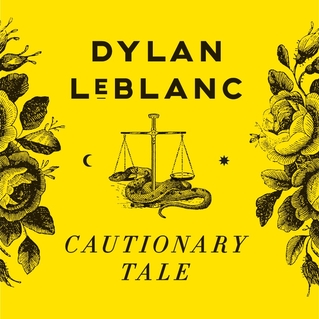
Cautionary Tale by Dylan LeBlanc

Dylan LeBlanc - Cautionary Tale

The breeze dances with tall grass that tickles the soles of your bare feet. Above you, a cloud takes the form of a whale, a running dog, and then dissipates into endless blue. The sun warms your face. The soft winds steadily become gusts, but blow in a different direction. Your vision follows the wind, and falls on a colossal tree nearby. You walk toward it, and feel a raindrop sprinkle your nose. You take shelter under the tree’s canopy, and listen . . .

I have a soft spot for americana. The genre invokes picturesque landscapes, and tends to carry warmth that radiates like pastures in early afternoon. It’s a style that hardly needs innovation, but there are a select few artists searching for fresh genius within the sound. Cautionary Tale is the newest full-length from Louisiana-native, singer-songwriter Dylan LeBlanc, and his first since returning to his childhood home of Muscle Shoals, AL.

The traditional elements of americana — glistening pedal steel guitar, twinkles of piano, expressive acoustic guitar —  are at the core of these songs, but LeBlanc adds unique flourishes with his floaty, soulful voice and classical string sections that enhance the depth of the compositions. These tracks sound pristine from start to finish, and the artist’s carefully controlled performances result in seemingly effortless beauty.

Look closer, though, and you’ll see that the sun shines on the surface alone. LeBlanc’s words are filled with woe, but are communicated in a voice that has conquered the woe. This is exactly what makes americana so great: artists that possess the masterful ability to package sorrow in containers that glow like a sunrise. There is no shortage, and no superfluity. If you’re seeking soulful, classically-tinged americana, this album is for you.

– stasi (@stasisphere)

Cautionary Tale by Dylan LeBlanc

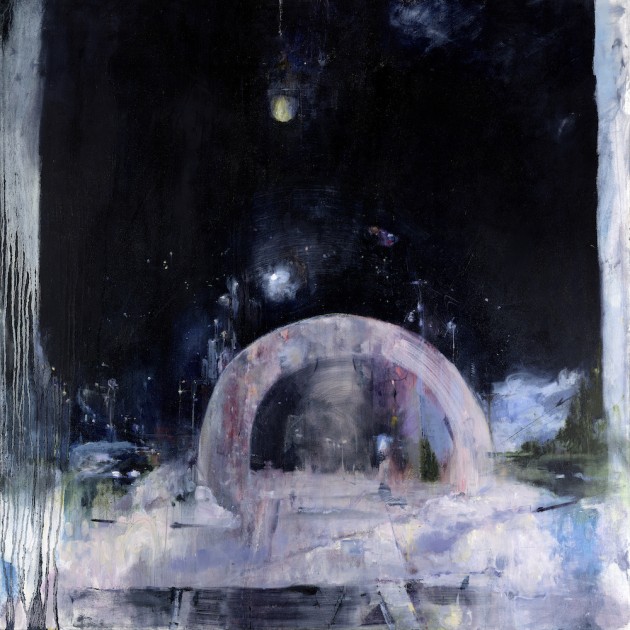
The Provider by Coldair

Coldair - The Provider

A man crouches in a cell, surrounded by blinking mechanisms. He knows not why he remains trapped within the confines, nor why seemingly endless time passes without a dryness on his tongue or a growl in his stomach. It’s frigid in the container, but the temperature tends to fluctuate haphazardly. He doesn’t know why he feels compelled to operate the mechanisms, and dance sometimes, when it starts getting warmer. The chill begins to slowly dissipate . . .

Warmth is an element that’s frequently sought out in music, but what of its frigid opposite? Piercing the listener’s mind with sounds both cold and compelling is not an easy task, but when it’s done right, it can bestow the longest of lasting impressions (and in this rare case, some of the tastiest, most danceable grooves). The Provider is the newest full-length from Warsaw-native Tobiasz Biliński, under the name Coldair.

The environments that these compositions inhabit are icy and occasionally foreboding, filled with frosty synths, militaristic percussion rhythms, and earth-shaking 808 booms. Biliński completes the formula by layering his gentle voice into glowing harmonies that soar over the instrumentation. The sonic concoctions resemble facets of industrial techno, post-punk, folk, and they always evolve with fascinating experimentation.

Warsaw is historically known for birthing the dour. It inspired the late David Bowie’s “Warzawa”, and it served as band name to a certain post-punk group well-versed in the art of capturing gloom. Biliński’s third record (and first to reach the U.S.) is a new highlight not because it follows in the footsteps of these greats, but because it traverses its own original path. If you’re seeking icy, industrial-tinged folk, this album is for you.

– stasi (@stasisphere)
The Provider by Coldair

Not To Disappear by Daughter

Daughter - Not To Disappear

After sleeping for a long while on a bed of damp grass near a lake, you open your eyes and see the sky flying towards you. Clouds of deep purple lift your body heavenward, slowly but surely. Night falls, accompanied by a dark bluish fog that surrounds you on all sides. You look closer, and see the countless glistening crystals that hang throughout the fog. Looking even closer, you see the minuscule beings trapped within the crystals, crying out in harmony . . .

Penning a sad song is an art form as old as time, and there are copious ways to go about doing it. The traditionalist will have you believe that a sorrowful composition must fully embody sorrow. Heartbreak doesn’t have to sound sad or downtrodden, though. It can be uplifting, sexy even, and no one communicates gloom more enticingly than these artists. Not To Disappear is the newest full-length from London-based band Daughter.

Singer-guitarist Elena Tonra’s tender voice soars with graceful melodies over the chillingly lush soundscapes she creates with bandmates Remi Aguilella and Igor Haefeli. The spirit of shoegaze howls in the instrumentation that washes over the listener, but an atmosphere of comfort is always maintained. These songs sound magnificently vast, and they communicate universal pains without being overwhelming; a rare accomplishment.

Sad music is quickly becoming an endangered breed. These days, more listeners would rather escape into a sanguine melody and a beat that shakes off every trace of negativity, than indulge in real emotions. Now more than ever, we need artists that communicate the darker aspects of the human experience, and Daughter do it better than most. If you’re seeking melancholic, dreamy rock, this album is for you.

– stasi (@stasisphere)

Not To Disappear by Daughter