
Poison Season by Destroyer

Destroyer - Poison Season

You walk on cobblestone roads through a quaint town. People fill the bustling streets, purchasing and peddling their wares. You hear a faint tone on the breeze and follow it to the origin, a sturdy black door in a narrow corridor. Before your hand touches its surface to knock, it opens and the tone ceases. You enter a theater with instruments covering the stage and seats brimming with people, save for an empty one at the front. You sit and listen . . .

Elements of poetry permeate nearly every form of music. With lyric-focused songwriting, the two modes of artistic expression are indivisible, and no one blurs that line betwixt with more grace and poise than this artist. Poison Season is the newest full-length from Dan Bejar and his long-respected solo-project-turned-full-band, Destroyer. This record exemplifies Bejar’s strengths: intricate, classical compositions and grand, mythical lyrics.

The topics explored and turns of phrase that Bejar sings with his bare, emotive voice are ripe with intellect and rhythmic prose. He’s a marvelous poet and storyteller, and while he writes the scripts, arranges the scores, and plays the leading roles, the brilliant musicians in his Destroyer project serve as stage and actors, crafting elegantly swooning song structures that enhance Bejar’s vocals with ornately symphonic instrumentation.

Bejar is the most interesting guy at the party, the guy sitting in the dimly lit corner surrounded by captivated people listening intently to his tales of lofty adventure and forbidden romance. He has yet to release a less-than-wonderful record, and Poison Season extends that streak with something that’s beautifully mesmerizing and unique. If you’re seeking intricately poetic, ornately symphonic storytelling, this album is for you.

– stasi (@stasisphere)
Poison Season by Destroyer

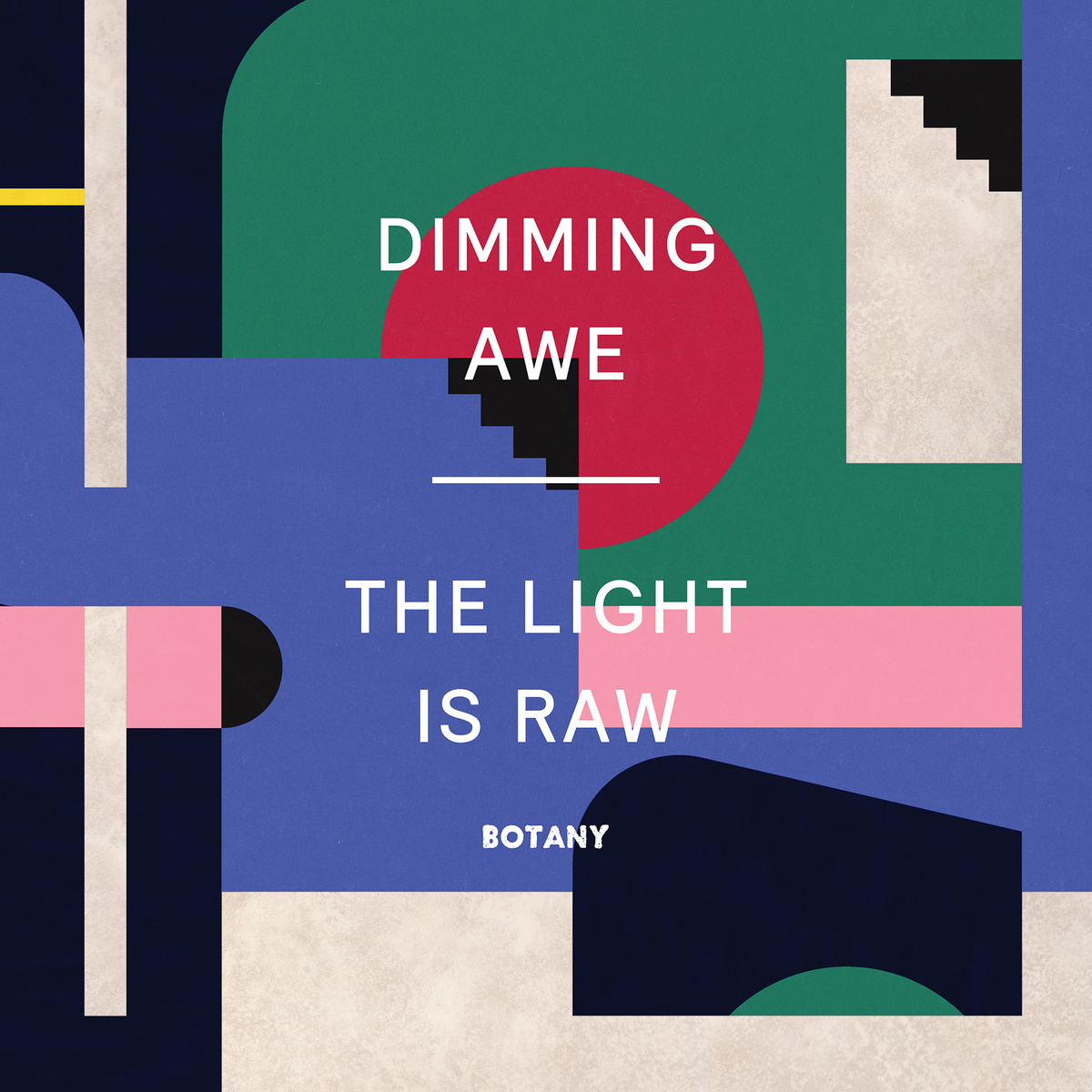
Dimming Awe, The Light Is Raw by Botany

Botany - Dimming Awe, The Light Is Raw

It’s hot. You wonder why you haven’t dissolved into ash by now, as you grasp the edge and emerge from the volcano. The smoke clears and reveals lush, rolling greenery below you, divided by a river of deep blue. You climb down and follow the river until you come to a grand waterfall. Behind the waterfall is an elegant door. As you turn the doorknob, a world of sound grows in your ears, and disappears when you let go. You open the door, and walk through . . .

Another contender for album of the year, and not a moment too soon! Dimming Awe, The Light Is Raw is the newest full-length by Botany, helmed by Austin producer Spencer Stephenson. So far, it’s been a great year for the expansion of electronic music; the ideas put forth are captivating and otherworldly, but this record may be one of the best examples of an artist refining those abstract visions with memorable songwriting.

The trump card of Stephenson is his ability to seamlessly combine seemingly disparate influences — wonky hip-hop, glistening psychedelic ambience, Eastern sampling — into danceable gems that mystify and perplex just as much as they groove. Fans of beat collagist gurus J Dilla and Madlib will discover treasures in this one, and Flying Lotus enthusiasts may fall in love with the similarly entrancing, ethereally rhythmic production.

The instrumentals are enough to write home about, but a flavorful selection of vocalists anchor the record’s psychedelia with tastes of intriguing lyricism. Chicago rapper Milo contributes loose verses to “Au Revoir” and “No Translator,” Matthewdavid adds a feather-light vocal melody to “Glow-Up,” and RYAT closes it all with crystalline bliss on “Monthiversary.” If you’re seeking hip-hop-tinged experimentalism, this album is for you.

– stasi (@stasisphere)
Dimming Awe, The Light Is Raw by Botany

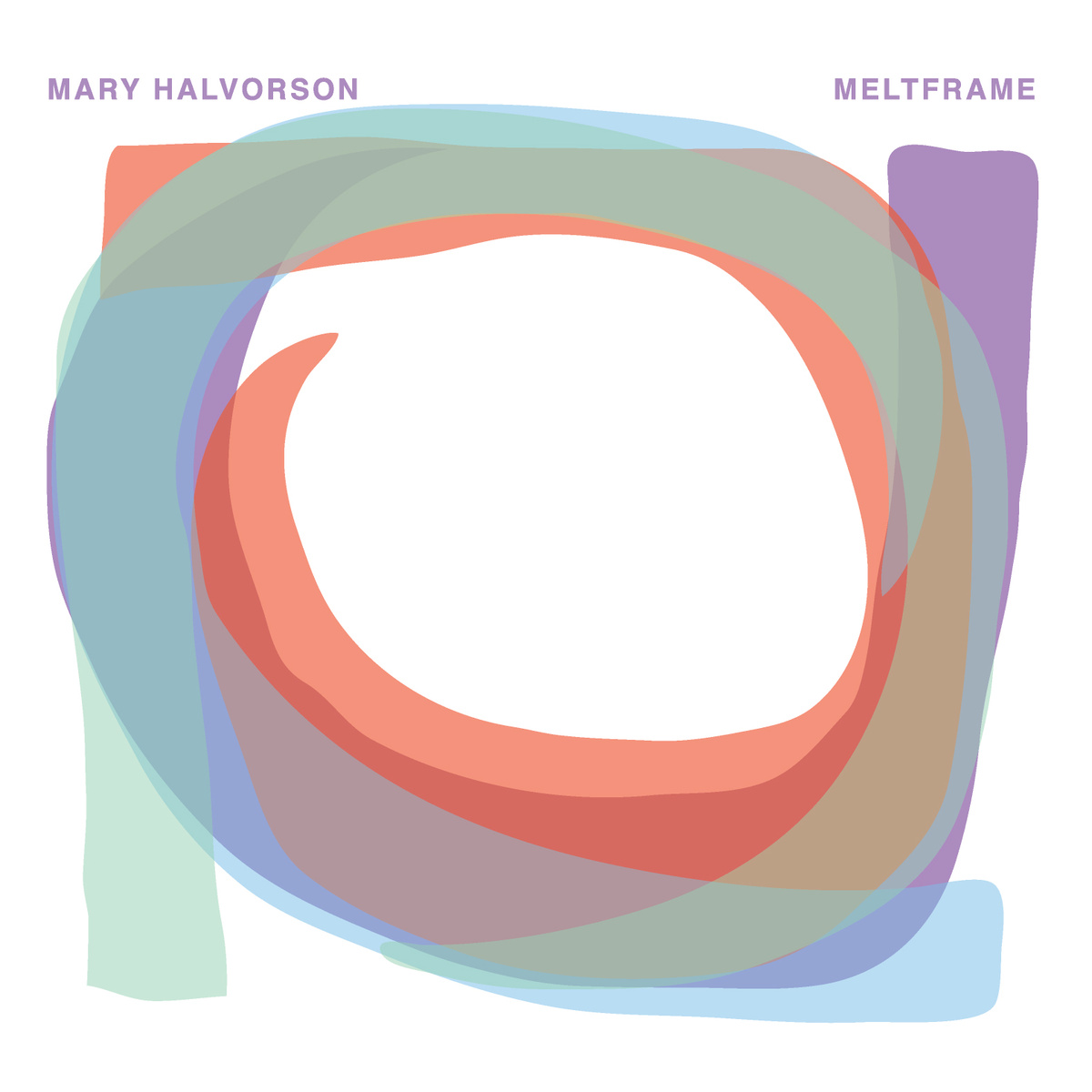
Meltframe by Mary Halvorson

Mary Halvorson - Meltframe

You stumble through the streets late into the night. Your vision is blurry and undulating in queasy, irregular patterns. A glimpse of light wobbles into view, and you follow it. You enter a bright opening and nearly trip on stone stairs descending into the ground. You warily climb down the flight of stairs, and another flight, and another. When you feel the sense that you’ve been tricked, you finally enter a new room, inhabited by one individual holding a guitar . . .

One individual holding a guitar. That’s all that this album is, and if you were expecting something more elaborate and cumbersome, you surely won’t find it here. But, before heading for that open door, I implore you to give this unique gem an honest listen. Meltframe is the newest full-length by Mary Halvorson, a Bostonian guitarist with a hefty reputation for innovation and proficiency in the jazz community.

This release consists of semi-improvisational covers of classic jazz songs by the likes of Ornette Coleman, Duke Ellington, McCoy Tyner, and a plethora of others. She weaves these timeless melodies together by transforming them into cascades of progressive solo guitar, stretched and contorted by her trademark delay pedal. Halvorson greatly succeeds in highlighting the immense potential for malleability within her chosen genre.

When this record is playing, it sounds as if Halvorson is sitting in the same room directly in front of the listener. Every strum, pick, and pop can be heard in the mix, giving the songs a wonderfully intimate feel. The tempos shift and sway, never locking into a restrained grid. The sparse recordings are inventive in their conception, and fierce in their execution. If you’re seeking labyrinthine solo jazz guitar, this album is for you.

– stasi (@stasisphere)

Meltframe by Mary Halvorson

Neither/Neither by The Black Dog

The Black Dog - Neither/Neither

You are at the core of the mechanistic heart of the world. You are surrounded by an orb of pulsing, undulating machinery. Innumerable pistons and cogs jut out and crank the wheels of time. This is the soul of everything, ever since the last bit of life was stomped out many years ago, and you are at the center of it. It’s dark, but your sight adjusts, and you soon see the red wires connecting all the moving pieces. Are they filled with blood? 

What occurs when a long-established group, known for their polished upbeat liveliness, turn off the lights and adapt to the impenetrable darkness? Neither/Neither is the newest full-length by British electronic music pioneers The Black Dog, made up of Ken Downie, Martin Dust, and Richard Dust. The trio continue to innovate here, and navigate through dense shadows by way of pulsing industrial techno and ghostly, bottomless ambience.

The album is divided into two varying halves, the groovier, down-tempo first side wonderfully complimenting and transitioning into the record’s second, clubbier side. Permeated throughout the album’s progression are elements of hallucinatory trip-hop a la Boards Of Canada, and interspersed between all of the rhythmic tracks are brief ambient interludes that enhance the magnitude of the listening experience.

This evolution from one energy to the next is what this exhilarating record is all about. An endless blackness casts a deep shroud over the group’s progressively vigorous sounds and, just like patrons of the warehouse raves of yore, they press on through the darkness with enthusiasm. The Black Dog have successfully altered their formula. If you’re seeking cavernous, industrial techno/ambient/house, this album is for you.

– stasi (@stasisphere)

Neither/Neither by The Black Dog

Gowanus Drifts by Dialect

Dialect - Gowanus Drifts

You sit on a park bench at dusk. You see your exhaled breath in the crisp air, but your husky jacket keeps you warm. It’s getting dark, and you alone inhabit the park now. A dog barks, distant but piercing through the quiet. The sound of an ambulance siren grows in your right ear, travels to your left, and dissipates into the night. The dog barks again, but this time the harsh tone melts in your ears. You glance around, and your surroundings begin to dissolve.

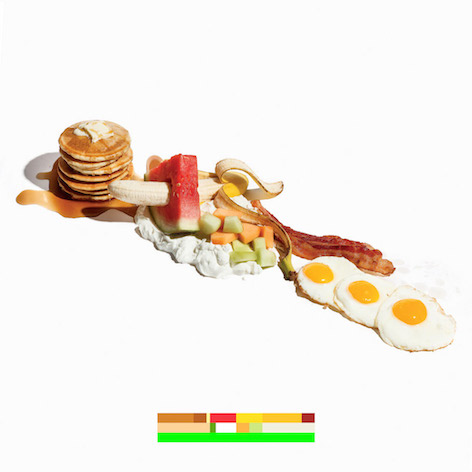
Ambient music possesses the ability to elicit vivid imagery in the mind of a listener, possibly more than any other genre. The wide open space is left to the imagination to fill with visual elements that compliment the sounds that are present. Gowanus Drifts is the newest full-length from Liverpool producer Andrew PM Hunt, under his Dialect moniker. This record is a seamless, ethereal journey through gorgeously desolate landscapes.

Hunt merges the elegance of classicist composition with the oddities of far-out experimentalism in some wonderfully unique ways. Saxophone, horns, zither, and many other traditional instruments adorn the otherworldly synthetic plunges. Industrial field samples, entrancing arpeggios, and a world of subaqueous tones are woven together to form an intricate tapestry that combines warm familiarity and the cold unknown.

Gowanus is a neighborhood nestled on the Brooklyn waterfront, tucked away and stricken with polluted waters resulting from an overtaxed sewage system. Hunt, having discovered a fondness for the area and its close comparison to his home, took it upon himself to highlight the beauty lurking in a place where the idea of “beauty” was thought to be extinct. If you’re seeking ethereal, exploratory ambience, this album is for you.

– stasi (@stasisphere)
Gowanus Drifts by Dialect

La Di Da Di by Battles

Battles - La Di Da Di

You sit on a cold bench in a small, crowded room next to individuals wearing white coats. You all face the same transparent glass that makes up one entire wall. Through the glass is pitch blackness. The people that sit on either side of you are wearing intense, focused expressions and hold notebooks in their hands. A light illuminates the darkness in front of you, and three individuals wearing white coats walk into view, to a table covered with unfamiliar tools . . .

There are bands that experiment and explore new sounds behind the confines of closed doors, only to emerge with a polished result once it is mutually agreed upon that the new direction has been mastered; and then there are those bands that revel and thrive in the transparency of their development. La Di Da Di is the newest full-length by Battles, a wonderfully obscure instrumental trio that dominates the latter of these categories.

Battles embody the term “math-rock” to a tee, navigating labyrinthine compositions in odd time signatures sprinkled with abrupt transitions and meter changes. John Stanier is the ever-forceful anchor of the group, pummeling away with fierce, intricate drumming; Ian Williams ornaments the songs with rhythmic guitar and keyboard; and Dave Konopka fleshes out the tracks with pedalboard-contorted bass and guitar.

Previous releases included vocals, either in the form of original frontman Tyondai Braxton on Mirrored or a multitude of features on Gloss Drop, but that isn’t the case here. This record illustrates a clear image in the listener’s mind of three highly adept musicians traversing new ideas together, having fun with it, and allowing us to bear witness. If you’re seeking impeccably fun, instrumental math-rock, this album is for you.

– stasi (@stasisphere)
La Di Da Di by Battles

Fractals by Silkie

Silkie - Fractals

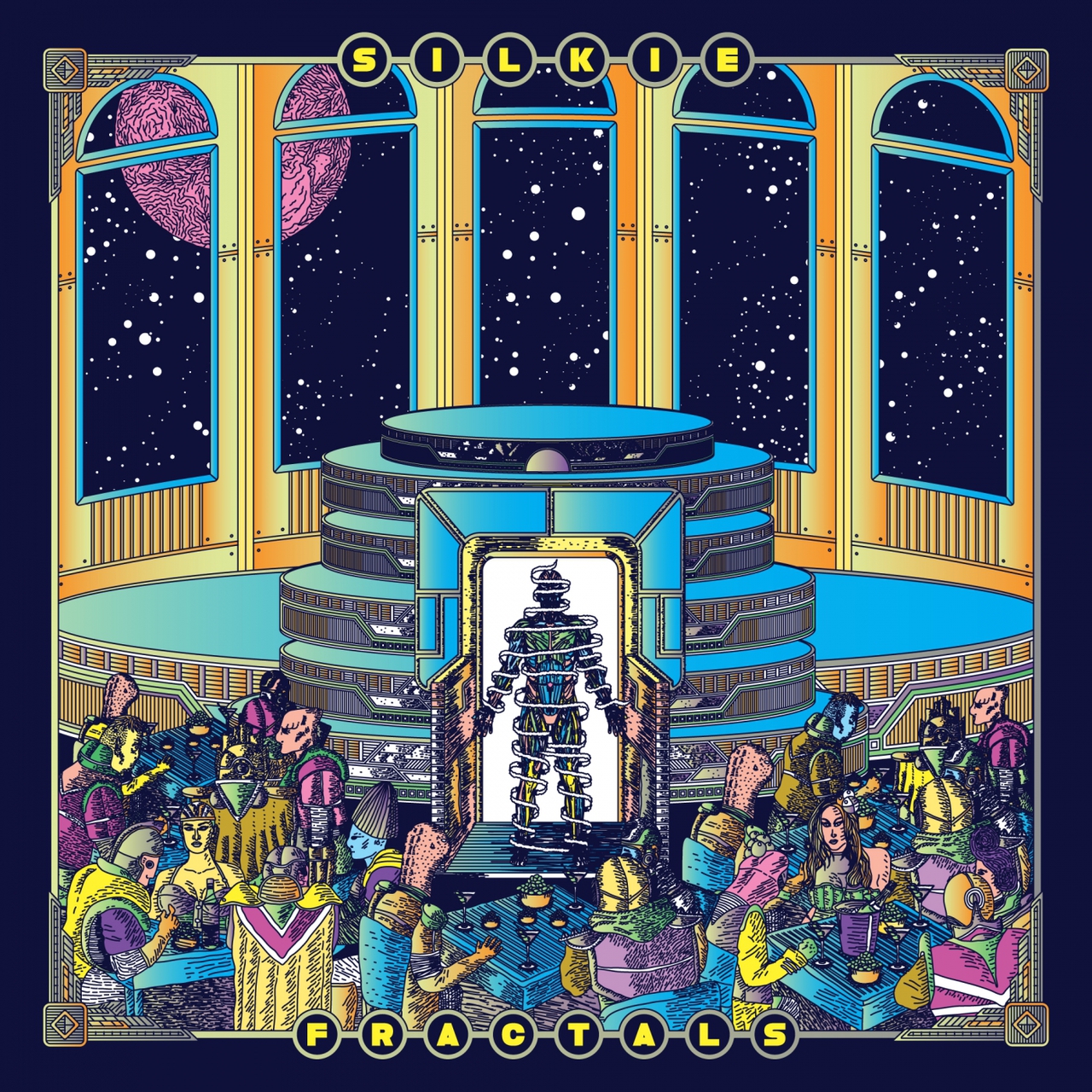
You sit at a booth in a luxurious cocktail bar. The room is dim, lit only by sparsely placed candles and the distant stars looking in through the windows, and filled with patrons of all sizes and species. The echo of glasses clinking together rings in your ears. A spotlight illuminates a keyboard setup on a risen stage at the far end of the room. A large, hooded man walks a smaller, skinnier robot to the setup, pushes a button, and it comes to life . . .

There are a select few producers that are driven entirely by the force of groove, and they take advantage of the boundless capabilities electronic music provides in the pursuit of refining that “in-the-pocket” sound. Fractals is the newest full-length by London producer Soloman Rose, AKA Silkie. Rose falls under this prestigious category of frenetic groove-crafters, and has released a celestial journey through future-funk maximalism.

The beats in these tracks are lively and monstrous, composed of massive 808 kicks, skittery hi-hats, whip-crack snares, and contorted into a multitude of diverse rhythms. Funk-tinged melodies recorded with glossy synths dance on top of everything, while vivid strings, vocal samples, and a slew of cocktail jazz piano flesh out the compositions and infuse distinctly “human” elements into the intricately synthesized productions.

This record is an undeniably smooth and accessible ride, and boasts way more than its fair share of ear-worm catchiness. Its primed for overflowing dance-floors and focused headphone listenings alike. Most of all, it’s irrefutably fun, imaginative, and possesses just enough silliness to captivate listeners from all walks of life. If you’re seeking hard-hitting, funk/jazz-tinged electronics, this album is for you.

– stasi (@stasisphere)
Fractals by Silkie

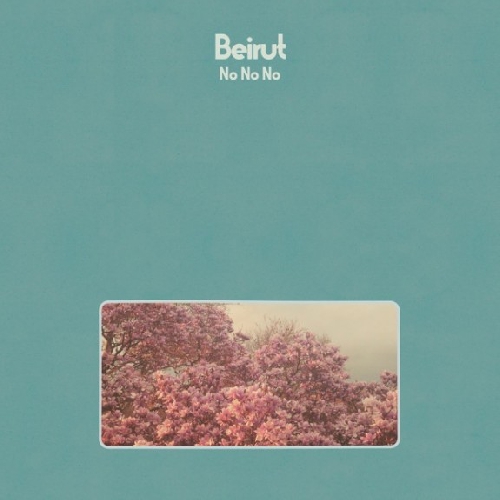
No No No by Beirut

Beirut - No No No

You sit on a soft patch of grass next to a gently flowing river. The sun beams down on a multitude of vibrantly colored umbrellas, protruding from boats carrying couples in the throes of romance. They float down the river at a leisurely pace, and you glance at them as they pass. As your eyes fall upon each, an image materializes in your mind of the exact moment that each relationship dissolves. A gift and a curse. The sun is warm on your face . . .

This album is a strange one, and it had to grow on me before I acknowledged the genius contained. No No No is the newest full-length by Beirut, a band fronted by Santa Fe-native Zach Condon, known for their extravagant, maximalist compositions. This isn’t your typical Beirut record, but don’t let that statement deter you from diving into these beautiful, peculiar songs. This may be Condon’s most transparently “human” music.

The four years since Beirut’s last album embodied the dismantling of Condon’s creative and romantic life. Divorce, hospitalization, and crippling writer’s block culminated in Condon scrapping his initial vision for the next release, and reconstructing from scratch with a fresh mentality and a new instrumentation setup. This is Beirut at their most skeletal and raw, their most intimate, and potentially their most entrancing.

The piano-trio format was utilized for the recording of these songs, making the music more raw and “live”-sounding than previous releases. The bite-sized tracks (none of the 9 songs cross the 4-minute mark) are ornamented with lush horns and glossy strings. Condon’s croon is just as smooth as ever, but he lets the music breathe in a wonderful new way. If you’re seeking lush, beautifully simplistic indie-rock, this album is for you.

– stasi (@stasisphere)

https://open.spotify.com/album/5wtzauAez32y69kp2ZMKwt

No No No by Beirut

Houti Kush by Ramzi

Ramzi - Houti Kush

You stand waist-deep in murky black liquid within a vast swamp. The sun has long since journeyed to the other side of the planet, but the shroud of darkness glows with an eerie luminescence and allows you to see. Pairs of eyes attached to silhouetted bodies of all shapes prowl in the trees, slowly walking circles around you but never lessening the distance between. What are they? Why are they watching you? Why won’t they come any closer? You listen . . .

Electronic music is a gateway to innovation and originality, as it allows an entirely from-the-ground-up creation process. Many producers utilize the lack of barriers by synthesizing replicas of long-established genres and instruments, but a select imaginative few reach for the furthest stars. Houti Kush is the newest full-length by Ramzi, helmed by Montreal-native and aural explorer Phoebé Guillemo.

There isn’t really anything like this delightfully perplexing album. Guillemo makes wonderful use of propulsive tribal percussion, nature soundscapes, wordless vocals, and a multitude of uniquely constructed synths and loops to craft amorphous song structures that shift and lurch with obscure beauty. She achieves a masterful balance of light and darkness on this record, which creates a seductively sinister feel throughout.

The songs here contain trace elements of dub, techno, ambient, new age, and vaporwave, but none of those terms can accurately encompass what’s contained here. These tracks embrace an unparalleled weirdness, and they embody something entirely new and unknown. It’s a truly fascinating listen, and it’s one that will leave you scratching your head. If you’re seeking dub-tinged experimental electronics, this album is for you.

– stasi (@stasisphere)

Houti Kush by Ramzi

Till It’s All Forgotten by Farao

Farao - Till It's All Forgotten

You emerge from a labyrinthine system of catacombs deep in the bowels of the world, and into the staggering light of day. Blinded, your eyes don’t see the mountainous pillars that protrude from the craggy ground. They also cannot examine the carved faces covering every inch of the towering structures. You stumble forward over an uneven patch of earth and fall to your knees. The horns sound, far off but getting closer by the second. The faces sing . . .

To reject all established trends and embrace the beautifully obscure originality dwelling within oneself is an incomparable feat. It is, I believe, the calling of our species and the innermost motivation for the continuation of life. Till It’s All Forgotten is the newest full-length by Farao, helmed by Norwegian singer, songwriter, and multi-instrumentalist Kari Jahnsen. This artist achieves the above mentioned feat in spades on this record.

Jahnsen’s music eludes categorization, and requires the full submission of the listener to the strange, unparalleled worlds she’s constructed. At a glance, the list of instrumentation utilized in these songs is daunting — electric guitars, full drum kit, piano, and a world of electronics, horns, and vocal manipulations — but Jahnsen’s careful hand ensures that each is granted their own space to flourish in the overall mix.

The lyrical content is potent, and encompasses the human condition in its most perplexing moments. Fans of her countrywomen Susanne Sundfør and Jenny Hval will discover a great deal to fall in love with here. Jahnsen’s compositions are deceptively simple, and jar the listener with something new and captivating when it’s least expected. Such is life. If you’re seeking completely original melodic beauty, this album is for you.

– stasi (@stasisphere)

Till It’s All Forgotten by Farao